
Slowing Down or Just Getting Older? Why Behavior Shifts in Senior Pets Mask Chronic Pain

Slowing Down or Just Getting Older? Why Behavior Shifts in Senior Pets Mask Chronic Pain

Slowing Down or Just Getting Older? Why Behavior Shifts in Senior Pets Mask Chronic Pain

Slowing Down or Just Getting Older? Why Behavior Shifts in Senior Pets Mask Chronic Pain

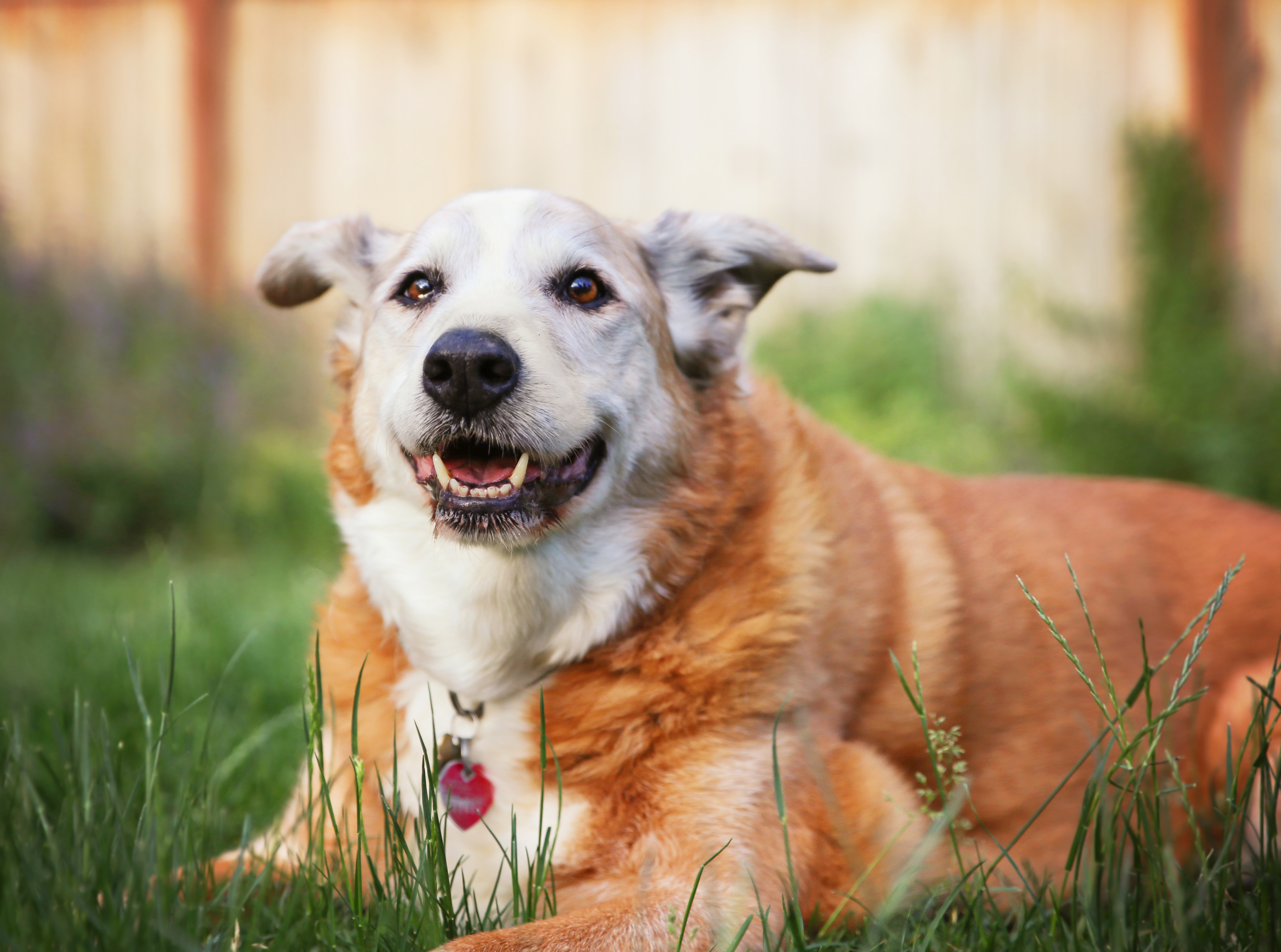
As pets get older, it is common to notice changes in their energy, movement, and daily routines. While some changes are part of aging, we do not recommend assuming that slowing down is always normal. Subtle behavior changes in senior pets can sometimes point to chronic pain or an underlying health concern.
Why Chronic Pain Can Be Easy to Miss
Pets do not always show pain in obvious ways. Chronic discomfort often develops gradually, which means dogs and cats may simply adjust how they move, sleep, eat, or interact with their families.
For example, a senior dog with joint pain may stop jumping onto the couch rather than visibly limping. A cat experiencing discomfort may hide more often, groom less, or avoid climbing to a favorite resting place. These changes may seem minor, but we often look at the overall pattern of behavior to determine whether something more is going on.
Behavior Changes to Watch For
Because you know your pet's normal routine best, you are often the first to notice when something changes. Signs that may indicate pain or discomfort include:
• Sleeping more or becoming less active
• Hesitating to use stairs, jump, or get into the car
• Struggling to stand up or lie down
• Becoming irritable or avoiding touch
• Losing interest in play or family interaction
• Changes in appetite or grooming
• Pacing, restlessness, or difficulty getting comfortable
If these changes continue or become more noticeable, we recommend scheduling a veterinary evaluation.
What Could Be Causing Your Senior Pet's Discomfort?
Arthritis is a common source of chronic pain in older pets, but it is not the only possibility. Dental disease, previous injuries, spinal conditions, and other age-related health problems can also affect how your pet moves and behaves.
During a senior pet exam at our Pleasanton veterinary center, we evaluate your pet's mobility, physical condition, oral health, and overall wellness. When needed, we may recommend diagnostic testing to better understand what is causing the change.
How We Help Senior Pets Stay Comfortable
When we identify chronic pain, we create a treatment plan based on your pet's individual needs and the underlying cause. Care may include pain management, weight management, changes to the home environment, rehabilitation, or a combination of approaches.
We also offer pet rehabilitation and physical therapy in Pleasanton for pets who may benefit from improved strength, mobility, and flexibility. Our goal is to help senior pets continue enjoying the activities and routines that matter to them.
Do Not Dismiss Changes as Old Age
If your senior pet is moving slower, becoming less social, avoiding activities, or simply acting differently, we want to know. These changes can be your pet's way of showing that something hurts.
Schedule a senior pet evaluation with Amador Valley Veterinary Center to help keep your pet comfortable, active, and feeling their best through their senior years. Visit our office in Pleasanton, California, or call (925) 462-3646 to book an appointment today.

Our
Services

Keep
In Touch

Address
1809 Santa Rita Road, Suite K
Pleasanton, CA 94566 Get Directions
Pleasanton, CA 94566 Get Directions
Phone Number
FAX number
(925) 521-6570
office hours
- Monday8:00 AM - 6:00 PM
- Tuesday8:00 AM - 6:00 PM
- Wednesday8:00 AM - 6:00 PM
- Thursday8:00 AM - 6:00 PM
- Friday8:00 AM - 6:00 PM
- SaturdayClosed
- SundayClosed
© 2026 Amador Valley Veterinary Center. All rights Reserved. Privacy Policy.
Powered by:
