
September Back-to-School Routine Changes: Preventing Separation Anxiety in Pleasanton Dogs and Cats

September Back-to-School Routine Changes: Preventing Separation Anxiety in Pleasanton Dogs and Cats

September Back-to-School Routine Changes: Preventing Separation Anxiety in Pleasanton Dogs and Cats

September Back-to-School Routine Changes: Preventing Separation Anxiety in Pleasanton Dogs and Cats

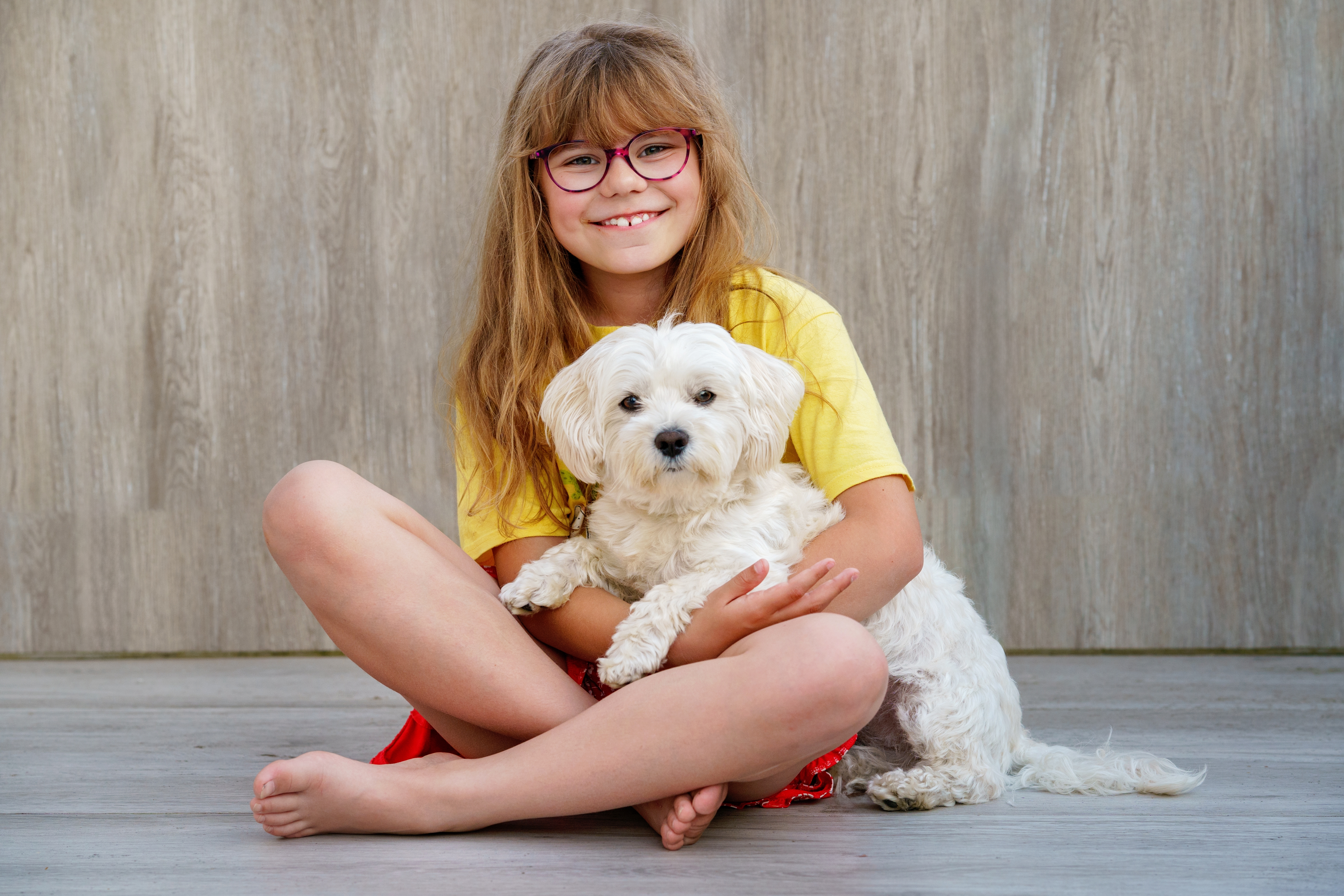
September often brings major schedule changes for Pleasanton families. Kids return to school, parents spend more time away from home, and pets that enjoyed extra summer attention may suddenly face long stretches alone. For some dogs and cats, these back-to-school routine changes can trigger stress or separation anxiety.
Why Back-to-School Changes Can Stress Pets
Dogs and cats are creatures of habit. During summer, they may become accustomed to frequent walks, playtime, feeding schedules, or simply having family members nearby throughout the day.
When September arrives and the household suddenly becomes quieter, some pets may struggle with the transition. Dogs are commonly associated with separation anxiety, but cats can also experience stress when familiar routines change.
Signs Your Pet May Be Experiencing Separation Anxiety
Stress can look different from one pet to another. Watch for changes that consistently appear when family members leave or household routines shift, including:
• Excessive barking, whining, or howling
• Destructive chewing or scratching
• Accidents inside the home
• Pacing or difficulty settling
• Changes in appetite
• Excessive grooming or hiding in cats
• Increased clinginess before you leave
• Attempts to escape from crates, rooms, or the home
Sudden behavioral changes can also be related to medical conditions, so persistent or unusual symptoms should be discussed with your veterinarian.
Create a More Predictable Routine
Consistency can make back-to-school transitions easier. Try keeping meals, walks, litter box care, play sessions, and bedtime on a predictable schedule.
If your pet will be spending more time alone, gradually increase short periods of separation rather than making an abrupt change. Providing puzzle feeders, safe toys, comfortable resting areas, or enrichment activities can also give your pet something positive to focus on while the family is away.
Exercise is especially helpful for many dogs. A morning walk or play session before everyone leaves can provide physical activity and mental stimulation. Cats can benefit from interactive play, climbing spaces, window perches, and food puzzles.
When Separation Anxiety Needs Veterinary Attention
Mild adjustment behaviors may improve as a new routine becomes familiar. More significant separation anxiety can require additional support, particularly when a pet is injuring itself, refusing food, destroying property, experiencing frequent accidents, or showing severe distress.
A veterinary exam can help rule out health problems that may contribute to behavioral changes. We can also discuss your pet's specific symptoms, home environment, daily routine, and appropriate strategies for managing anxiety.
If your dog or cat is struggling with routine changes, schedule a visit with Amador Valley Veterinary Center to help your pet stay healthy, comfortable, and supported. Contact our office in Pleasanton, California, by calling (925) 462-3646 today.

Our
Services

Keep
In Touch

Address
1809 Santa Rita Road, Suite K
Pleasanton, CA 94566 Get Directions
Pleasanton, CA 94566 Get Directions
Phone Number
FAX number
(925) 521-6570
office hours
- Monday8:00 AM - 6:00 PM
- Tuesday8:00 AM - 6:00 PM
- Wednesday8:00 AM - 6:00 PM
- Thursday8:00 AM - 6:00 PM
- Friday8:00 AM - 6:00 PM
- SaturdayClosed
- SundayClosed
© 2026 Amador Valley Veterinary Center. All rights Reserved. Privacy Policy.
Powered by:
