
Pet Pain and Mobility Changes: Preparing for a Veterinary Rehabilitation Consultation

Pet Pain and Mobility Changes: Preparing for a Veterinary Rehabilitation Consultation

Pet Pain and Mobility Changes: Preparing for a Veterinary Rehabilitation Consultation

Pet Pain and Mobility Changes: Preparing for a Veterinary Rehabilitation Consultation

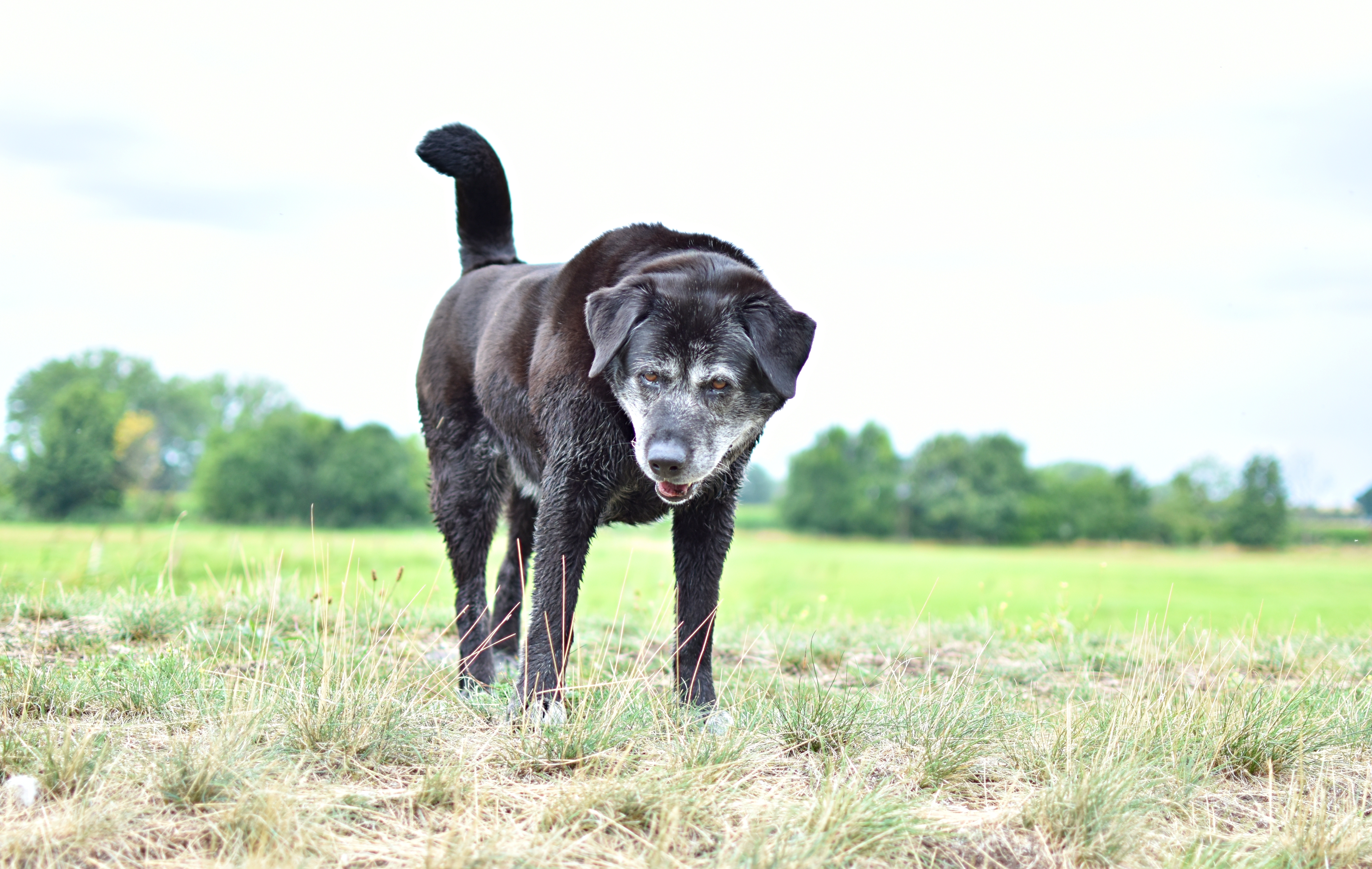
When your pet begins moving more slowly, avoiding stairs, or struggling with everyday activities, it may be a sign of pain or reduced mobility. These changes can develop gradually or appear after an injury or surgery. At Amador Valley Veterinary Center in Pleasanton, CA, we offer veterinary rehabilitation and physical therapy to help pets manage discomfort, improve movement, and maintain their quality of life.
Recognizing Signs of Pain and Mobility Changes in Pets
Dogs and cats do not always show obvious signs of discomfort. Some pets continue their usual routines while compensating for painful joints, muscle weakness, or reduced flexibility.You may notice your dog hesitating before jumping into the car, taking shorter walks, or having difficulty standing after resting. Cats may stop climbing onto furniture, become less active, or change their grooming habits.
These symptoms can be associated with arthritis, orthopedic injuries, neurological conditions, or age-related changes. Our veterinary team in Pleasanton can evaluate your pet's symptoms and determine whether rehabilitation may be beneficial.
What to Prepare Before Your Pet's Rehabilitation Consultation
Providing detailed information about your pet's mobility changes helps us understand their condition and develop an appropriate treatment plan.Before your appointment, consider preparing the following:
- Symptom history: Note when your pet's discomfort or mobility problems began and whether symptoms have changed.
- Activity observations: Identify activities your pet struggles with, such as climbing stairs, walking, running, or jumping.
- Videos of movement: Record your pet walking or performing activities that demonstrate their difficulties.
- Medical records: Bring relevant information about previous injuries, surgeries, diagnoses, or imaging results.
- Medications and supplements: Prepare a list of everything your pet currently takes, including dosages.
What Happens During a Veterinary Rehabilitation Consultation?
At Amador Valley Veterinary Center, we recommend allowing approximately one hour for your pet's initial rehabilitation appointment. During the evaluation, we assess your pet's gait, posture, muscle strength, flexibility, joint mobility, and overall physical function. We also evaluate discomfort and discuss how mobility changes affect their daily activities.Our goal is to identify limitations that may be contributing to pain or reduced movement and establish realistic rehabilitation goals based on your pet's condition.
Developing a Personalized Rehabilitation Plan
Following the evaluation, we develop an individualized veterinary rehabilitation plan that addresses your pet's specific needs. Depending on their condition, treatment may include therapeutic exercises, joint mobilization, soft tissue techniques, laser therapy, acupuncture, or other supportive treatments.We may also recommend a home exercise program to help maintain progress between appointments. Our team demonstrates appropriate exercises and explains how to perform them safely. Rehabilitation plans can be adjusted as your pet responds to treatment, with an emphasis on comfort, mobility, and functional improvement.
Supporting Your Pet Before Their Appointment
While preparing for your pet's rehabilitation consultation in Pleasanton, avoid activities that appear to worsen their discomfort. Provide comfortable resting areas, minimize slippery surfaces, and follow any existing activity restrictions.If your pet is experiencing pain, stiffness, or difficulty moving, schedule a veterinary rehabilitation consultation with Amador Valley Veterinary Center to explore personalized treatment options. Visit our office in Pleasanton, CA, or call (925) 462-3646 to book an appointment today.

Our
Services

Keep
In Touch

Address
1809 Santa Rita Road, Suite K
Pleasanton, CA 94566 Get Directions
Pleasanton, CA 94566 Get Directions
Phone Number
FAX number
(925) 521-6570
office hours
- Monday8:00 AM - 6:00 PM
- Tuesday8:00 AM - 6:00 PM
- Wednesday8:00 AM - 6:00 PM
- Thursday8:00 AM - 6:00 PM
- Friday8:00 AM - 6:00 PM
- SaturdayClosed
- SundayClosed
© 2026 Amador Valley Veterinary Center. All rights Reserved. Privacy Policy.
Powered by:
